Intelligent Workforce Platforms Powering Business Transformation
The next phase technology of HR technologies lies with more understanding and the ability to predict.

Workforce management is experiencing the process of transforming its structure, powered by automation, analysis and intelligent system design. In the current world, HRMS in Dubai is a new approach to managing employees’ operations by centralized and driven by data. These systems help organizations reduce administrative burdens while aligning strategies for workforce growth with long-term goals.
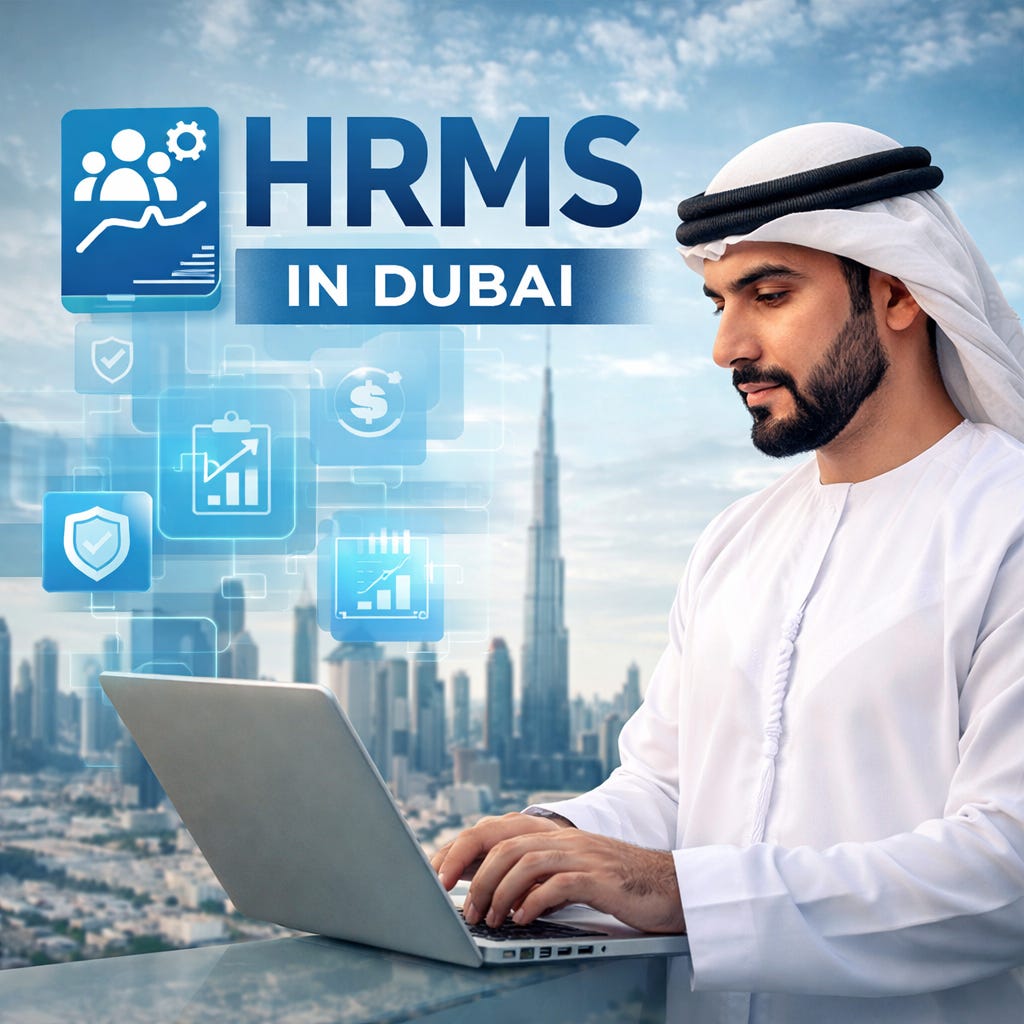
The Digital Evolution of Human Resource Management
Human resource functions have moved from traditional record-keeping processes to digital ecosystems that integrate. These platforms today consolidate employee information to automate workflows, streamline processes, and provide a structured view across different departments. This shift is a reflection of a wider acceptance that HR isn’t only a function of administrative, but also strategic.
Through digitizing their fundamental processes, organizations can eliminate the amount of confusion and increase the efficiency of their operations. Centralized systems make sure that information is efficiently distributed, facilitating better and faster decisions.
Automation plays an essential role in this process of transformation. Activities like time tracking along with payroll coordination, the management of leave are performed precisely by using established workflows. This minimizes human error and improves efficiency and speed.
The effect goes beyond the efficiency. If repetitive work is automated HR experts can be able to focus their attention on engagement, development of employees strategies and workforce planning providing tangible value to the company.
The experience of employees has also become an integral part of contemporary HR software. Self-service portals enable employees to view their payslips as well as personal information and keep track of the progress of their requests without having to wait. This independence improves transparency and builds trust in the workplace.
Communication channels that are clear and consistent within digital platforms help employees stay updated on policy changes or evaluations as well as internal announcements. An employee who is connected is usually more motivated, engaged and aligned with company objectives.
Data analytics are now the key element in the strategic HR planning. Advanced systems provide information on turnover rates and performance patterns as well as skills gaps. These insights help leaders to anticipate the needs of the workforce, rather than reacting in a reactive manner to problems.
In the middle phase of workforce digitization HRMS systems in Dubai frequently showcases how integrated platforms transform complicated employee data into actionable intelligence. Predictive analytics can help improve recruitment planning strategies, succession strategies, as well as strategies to optimize performance.
The management of compliance remains a vital job in human resource. Digital systems make it easier to track documentation as well as policy adherence and reporting to the regulatory authorities. Automated reminders decrease the chance of oversight, while also maintaining organized audit trail.
Security frameworks can further improve reliability. The use of role-based authentication, secure databases and activity monitoring guarantee that the sensitive information of employees is secure. This helps build confidence in HR systems that are digitally based.
Learning and development modules integrated within HR platforms allow for the continuous improvement of skills. Employees can monitor their progress in training and managers can evaluate their own the level of their employees’ skills, and companies can assess the results of their development initiatives.
When performance metrics are integrated with tools for learning, workforce capabilities are developed in line with the goals of the organization. This method of growth is structured and helps strengthen organizational resilience in the face of competition.
The process of onboarding and recruitment are also benefited by digital integration. Automated systems for tracking applicants centralize the information of candidates and streamline the process of evaluating candidates. This increases efficiency in hiring and enhances the overall experience of candidates.
Digital onboarding tools help that new employees can seamlessly step into their new roles. The structured workflow, document submission tools, and a series of guided orientation processes provide clarity right from the beginning and reduce confusion in the beginning.
As organizations adjust to flexible and hybrid working models, scalability is crucial. Cloud-based HR platforms offer remote access while maintaining central control. This allows distributed teams to work without compromising the operational consistency.
The next phase technology of HR technologies lies with more understanding and the ability to predict. Artificial intelligence will be increasingly helpful in identifying risk to retention as well as recommending the best training routes and optimizing workplace structures.
Businesses that use smart HR systems are positioned to sustain their business for the long run. Through the integration of analytics, automation and user-friendly designs and creating an environment where processes and people are in sync.
In this age of digital workplace transformation, HRMS in Dubai is a sign of a major move towards smarter, more transparent, and performance-driven management systems that integrate technology with the human potential.